

应兰州大学土木工程与力学学院、西部灾害与环境力学教育部重点实验室黄宁教授邀请,伊朗阿米尔卡比尔理工大学Seyed Mohammad Fattahi助理教授将于2026年7月24日上午做系列学术报告,欢迎广大师生参加。
- 报告题目:Alkali-Activated Materials for Riverbed and Bridge-Pier Scour Mitigation
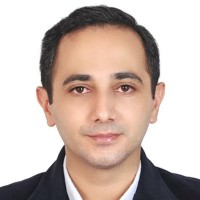
- 报 告 人:Seyed Mohammad Fattahi 助理教授
- 报告时间:2026年7月24日(星期五)10:00-12:00
- 报告地点:祁连堂327会议室
- 主 持 人:黄宁 教授
报告人简介
Dr. Seyed Mohammad Fattahi is an Assistant Professor of Geotechnical Engineering in the Department of Civil and Environmental Engineering at Amirkabir University of Technology, Tehran, Iran, where he also serves as Head of the Soil Mechanics Laboratory. His research focuses on environmental geotechnics, wind-erosion control, sustainable soil stabilization, alkali-activated materials, and the durability of engineered surfaces under environmental stresses. His work particularly explores the use of waste-derived binders for soil stabilization and erosion and scour mitigation. During his current research visit at Lanzhou University, he is investigating the abrasion and soiling of photovoltaic front glass and coatings caused by windblown sand, with an emphasis on dose-based degradation relationships, optical performance loss, surface damage, and durability assessment.
报告摘要
Local scour is one of the leading causes of hydraulic bridge failures. This presentation introduces a sustainable approach to scour mitigation by improving the erosion resistance of riverbed soils using slag-based alkali-activated materials (AAMs). Rather than relying solely on conventional countermeasures that modify the flow field or armor the bed, the proposed method enhances the intrinsic resistance of the soil against hydraulic erosion. The presentation covers the material design, stabilization mechanisms, laboratory characterization, hydraulic flume testing, and applications to bridge piers and abutments. Experimental results demonstrate substantial improvements in critical shear stress and significant reductions in scour depth, highlighting the potential of alkali-activated geomaterials as an environmentally friendly and durable solution for hydraulic infrastructure protection.